
By GlobeVox Leaders News Desk
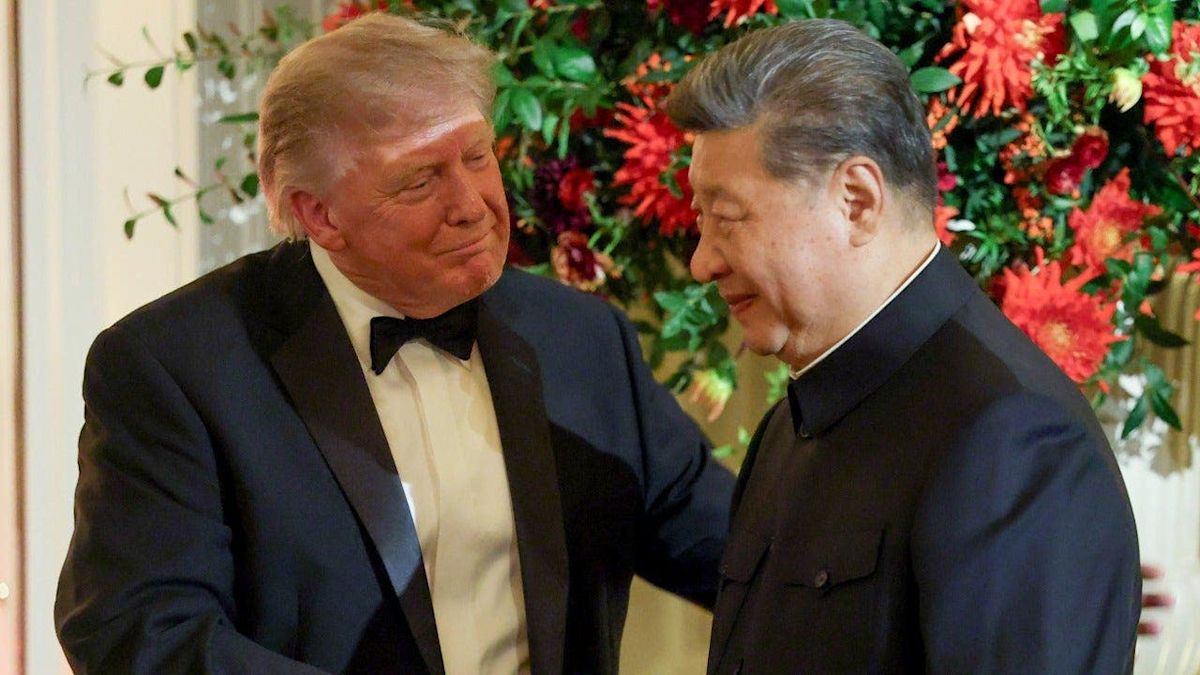
The United States and China have reached consensus on recommending more favorable tariff treatment for $30 billion of non-sensitive goods in each direction, according to the White House. The development followed Chinese President Xi Jinping’s state visit to Washington this week.
The two countries also agreed to establish a new dialogue focused on emerging artificial intelligence technologies, adding an AI channel to a broader set of trade and economic discussions.
US-China Board of Trade Recommends Lower Tariffs
The tariff recommendations came through the US-China Board of Trade, which was put into operation by the two leaders during the visit. The board was originally chartered at their May 2026 summit in Beijing.
The White House fact sheet did not specify when the recommended tariff changes would take effect. This means the $30 billion package remains a recommendation until both sides formally implement any changes.
What Goods Are Covered by the Lower Tariffs?
The proposed tariff treatment covers selected non-sensitive products.
On the US side, the covered Chinese goods include:
- Small appliances
- Toys
- Holiday decorations
- Children’s car seats
China’s list of US exports includes:
- Agricultural products
- Fish and seafood
- Logs and wood products
- Cosmetics
- Medical devices
China’s Commerce Ministry said approximately 90% of the covered products would move to most-favored-nation tariff rates, according to a statement reported by Business Standard.
China to Increase US Coal Imports and Expand Farm Access
The White House said China will import at least 10 million metric tons of US coal in both 2027 and 2028.
The two countries also launched a working group focused on agricultural market access. In addition, the leaders established a Board of Investment to discuss investment opportunities and barriers between the two economies.
Rare Earths Remain Unresolved
Despite progress on selected trade issues, rare earths and other critical minerals remain unresolved.
The White House said the two countries would continue working on US concerns over supply shortages, with the goal of returning shipments to appropriate levels. However, the announcement did not include a specific commitment or implementation schedule.
US and China Launch New AI Dialogue
Trade was not the only area addressed during the leaders’ discussions. The United States and China also agreed to establish a new dialogue focused on emerging AI technologies.
US-China Super Intelligence Dialogue
The two sides agreed to use the term “super intelligence” for emerging AI technologies and established a US-China Super Intelligence Dialogue.
The next exchange is scheduled for November 2026. The countries also agreed to create a bilateral channel for incidents involving the technology.
The development adds AI governance and technology discussions to an already broad US-China relationship covering trade, investment, energy and strategic issues.
Fentanyl, Energy and Geopolitical Issues
The discussions also covered several issues beyond tariffs and artificial intelligence.
Fentanyl
The United States welcomed China’s scheduling of a class of drugs called orphines and new export controls on two precursor chemicals. The White House also said China arrested 21 citizens in August for producing and distributing precursor chemicals.
Energy
President Trump urged Xi Jinping to increase production of refined petroleum products, with the stated aim of stabilizing global supply.
Geopolitical Issues
The leaders also agreed that Iran should never have a nuclear weapon and said no country or institution should be allowed to impose tolls on international waterways.
They also agreed to attend each other’s G20 and APEC summits.
US-China Trade Truce Extended to January 10
Separately, Treasury Secretary Scott Bessent said the broader US-China trade truce would be extended from November 10 to January 10, according to The Hill.
US Trade Representative Jamieson Greer described the extension as a period for assessing whether China follows through on earlier commitments, including agricultural purchases and rare-earth access, CNBC reported.
What the US-China Tariff Deal Means for Businesses
The latest announcement could affect businesses involved in US-China trade, but the immediate impact remains limited because the proposed tariff changes have not yet been implemented.
The $30 Billion Tariff Proposal Is Not Yet in Effect
The White House described the agreement as a “consensus on recommendations” rather than an immediate tariff reduction.
No published schedule of new tariff rates or implementation date had been reported in the source material. Businesses should therefore treat the $30 billion package as a proposal until both sides implement the recommended changes.
US-China Trade Is Shifting as Supply Chains Adjust
The proposed changes cover a limited share of overall US-China trade and focus on non-sensitive categories, leaving technology and other strategic goods outside the package.
The source also notes that trade is shifting rather than simply declining. Greer said the US goods trade deficit with China had fallen nearly 40%, while acknowledging that some trade had moved to other countries as companies adjusted their supply chains.
What to Watch Next in US-China Trade Relations
The next major point to watch is the January 10 review of the broader trade truce.
The current package lowers tensions in selected areas, but it does not resolve every major issue in the US-China economic relationship. Rare earth supplies, agricultural purchases, supply-chain changes, technology restrictions and the implementation of the proposed tariff recommendations remain areas to watch.
For businesses, the immediate priority is understanding which measures have actually been implemented rather than treating the announcement itself as a completed tariff reduction.
Key Takeaway
The latest US-China discussions combine limited tariff recommendations with new cooperation on trade, investment and artificial intelligence. The proposed treatment covers $30 billion of non-sensitive goods in each direction, while the two countries have also established a new dialogue on emerging AI technologies.
However, the tariff package is not yet an implemented cut, and important issues including rare earths remain unresolved. The January 10 review of the broader trade truce will provide another important point for assessing the direction of US-China economic relations.
Explore more expert insights on leadership, AI, digital transformation, entrepreneurship, finance, innovation, and business strategy at GlobeVox Leaders.