
Explore more expert insights, leadership stories, and business strategies at GlobeVox Leaders
From October 1, Indian businesses on the WhatsApp Business Platform must pay for customer-service replies beyond a monthly free quota, closing the last category of messaging that Meta offered at no cost.
WhatsApp Business Pricing Explained: What Changed From October 1
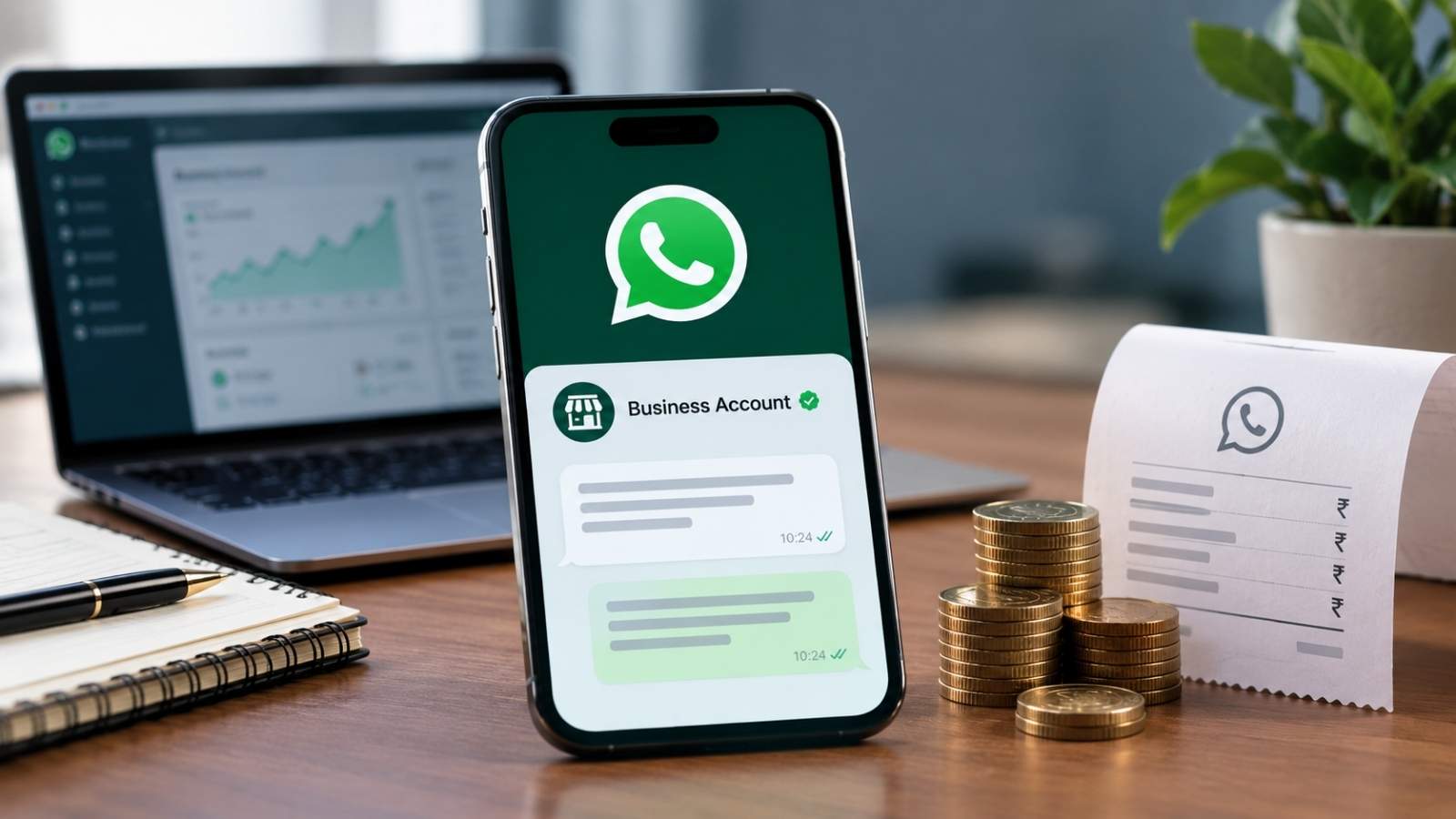
Meta has begun charging for service messages on the WhatsApp Business Platform in India, ending free-form customer replies that businesses had been able to send without charge inside an open 24-hour service window. The change took effect on Thursday, October 1, and applies to businesses using the platform through a solution provider or a direct API integration.
Under the new structure, each business phone number gets 1,000 free service messages a month. Once that quota is used up, every additional service message is billed at ₹0.115, the same per-message rate Meta already charges for utility and authentication messages in India, plus 18% GST.
What Happens If a Business Has No Payment Method on File
Meta has also set a hard cutoff for businesses that have not added a payment method to the Meta Billing Hub: once the new charges take effect, service messages will simply stop being delivered to such accounts rather than being sent and billed later. Businesses are being urged to confirm their billing details are active before they rely on the service-message channel for customer support.
How This Fits Into Meta’s Broader WhatsApp Pricing Model
The move follows a broader shift Meta made in July 2025, when it replaced per-conversation billing with per-message pricing across marketing, utility and authentication templates. Service messages were the one category left untouched at the time, and Thursday’s change effectively closes that gap. In India, marketing messages remain the most expensive category at ₹0.8631 per delivered message, while utility, authentication and now service messages are billed at the lower ₹0.115 rate.
Meta is separately rolling out an AI-powered Business Agent that can handle customer conversations and product recommendations. Responses generated by the agent are billed on a token basis, at roughly $2 per million tokens, in addition to any applicable per-message charges — so businesses using the AI agent to manage service conversations could face both charges at once.
Also Read: UPI Charges: What Small Businesses in India Need to Know
Beyond the announcement
The change mainly affects businesses running high-volume customer support over WhatsApp e-commerce sellers, delivery platforms, fintechs and support outsourcers — rather than small merchants with low message volumes, who are unlikely to cross the 1,000-message free tier most months. For larger operations, the shift adds a new, variable cost line to what had been a largely fixed WhatsApp messaging bill.
Analysis
For Indian businesses built around WhatsApp as a support channel, the end of free service messaging means customer-service costs that scale directly with conversation volume, not just marketing spend. Companies that haven’t already set up a payment method in the Meta Billing Hub face the more immediate risk: messages simply not being delivered. The bigger picture is that WhatsApp’s business messaging has matured from a free utility bundled with the app into a fully metered enterprise channel, with marketing, utility, authentication and now service messages all carrying a price tag — a trend likely to push large senders toward tighter message governance and, in some cases, toward Meta’s own AI agent despite its added token costs.